

A Gasp and a Roar of Laughter
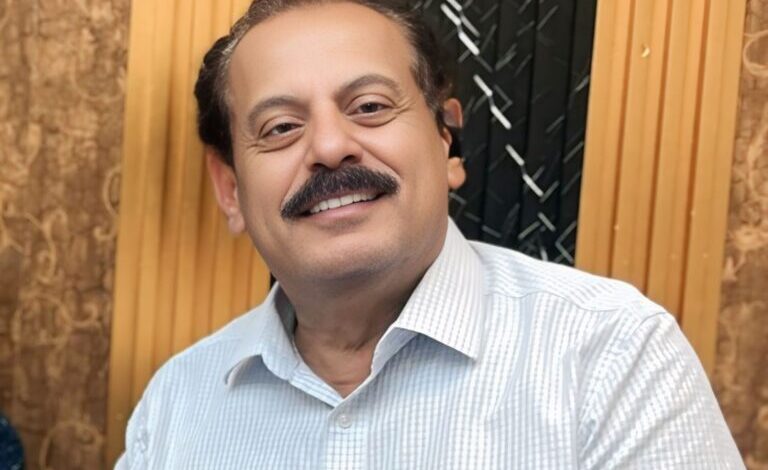
Yemeni mp
Ahmed Saif Hashed
I once attended a wedding celebration in a hall near the New University in Sana’a, most likely in 2004. After offering my congratulations to the groom, I began searching for a place to sit in a hall overflowing with guests, so crowded that it scarcely left a gap for any newcomer.
In the midst of that congestion, I noticed two familiar faces: Mr. Mohammed Ali Saeed (then Director of the Military Works Department) and Mr. Mohammed Abdulghani Al-Qobati (then Director of Hodeidah Customs).
As soon as they saw me, they greeted me warmly and, with some effort, made room for me between them. From that moment began the chapters of an incident that would end in deep embarrassment and confusion.
I placed my qat bundle (Ketal) in its bag beside me. While trying to settle into the narrow space, the bag slipped unintentionally and came to rest beneath my right hip.
Throughout the entire sitting, my qat lay crushed under my weight, suffocating with every slight movement or lean I made, its fate sealed and inevitably bound for the trash.
As for my friend Mohammed Abdulghani’s qat, it stood proudly before me, long, elegant, and carefully arranged, appealing and splendid.
Instead of searching for my own, my unconscious mind took over. I began chewing from the refined qat of my friend, carried away without awareness, from four in the afternoon until nearly six, just before sunset, oblivious, inattentive, and absent-minded.
Mohammed, a kind and shy man, kept casting sidelong glances at my hand as I continued with confidence and enthusiasm. He saw his qat between my fingers in silence, astonishment and questions stirring within him. More astonishing still, he endured two full hours of uninterrupted disbelief without uttering a single word or losing patience.
Before leaving, I took what remained of his qat and stood up. He did not say a thing. When I bent down to pick up my phone, I noticed the qat bag I had taken from its loop, now flattened and pressed firmly against the cloth on which I had been sitting. The green had darkened, tinged with black. When I opened the bag to inspect it, I found it utterly lifeless, crushed and spent.
In amazement, I asked, (Whose qat is this, the one I was sitting on?)
He answered calmly, with a serenity that bordered on stillness, (Yours.)
I asked again, stunned, disbelief written all over my face, (Then whose qat have I been chewing?)
A smile touched his lips, and he said with words full of affection, (Mine, and don’t worry. There is no difference between us.)
I replied, (But my qat was short, and yours was long.)
He let out a soft laugh and said, (It doesn’t matter. It is all the same.)
I returned what remained of his qat to its place and picked up my own bag in confusion, as a wave of shame and embarrassment swept over me. Yet even that could not prevent a burst of laughter from erupting inside me, some of it spilling from my mouth when I could no longer hold it back.
What still astonishes me, to this day, is the patience of another person who witnesses an unconscious (transgression) and chooses silence, a silence imbued with nobility and affection. It was a mild lapse of awareness that placed me in unintended embarrassment, revealing to me the beautiful patience some people possess when they rise above correction and choose the generosity of silent sharing.
Today, having quit qat altogether, I have learned to read faces more carefully and to understand the noble humility others extend when they overlook our missteps.
I still strive to hold on to my spontaneity and simplicity in a harsh and unforgiving world, for they are, so I believe, part of the human essence I refuse to leave behind.